
Roto-Disc®
Heavy-Duty Spherical Valve
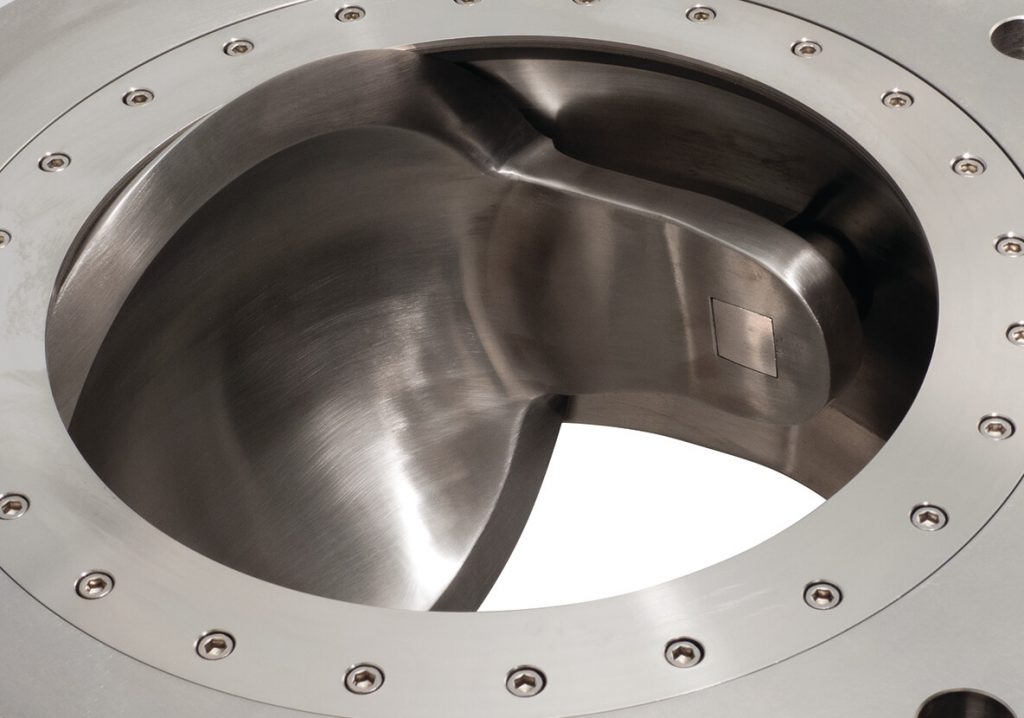
The Roto-Disc heavy-duty spherical valve uses a rotating dome that slices through sticky, gummy, and abrasive materials while wiping against the seat. Its full-open flow path helps reduce bridging, protects the sealing surfaces from direct material flow, and supports reliable shutoff in demanding bulk material applications.
Roto-Disc®, Inc.
Direct-Drive
The direct-drive system eliminates taper/shear pins on both the inside and outside of the valve. Square shaft ends and dome holes are machined to exacting tolerances and hand-ground to ensure a perfect slip-fit that prevents the actuator and dome from becoming decoupled.
Seat replacement is a cinch – just take off the seat retainer and drop in a new seat. No shaft adjustment or alignment, no counter-rotating bushings – NO HASSLE!
Sticky, gummy, abrasive substances, powders, pellets, granules, chips – almost anything that runs through a process line can be handled by this valve.
If you can’t afford to spend time looking for replacements or have your valves out of service for repair, you need a Roto-Disc®. It could end your valve headaches forever!
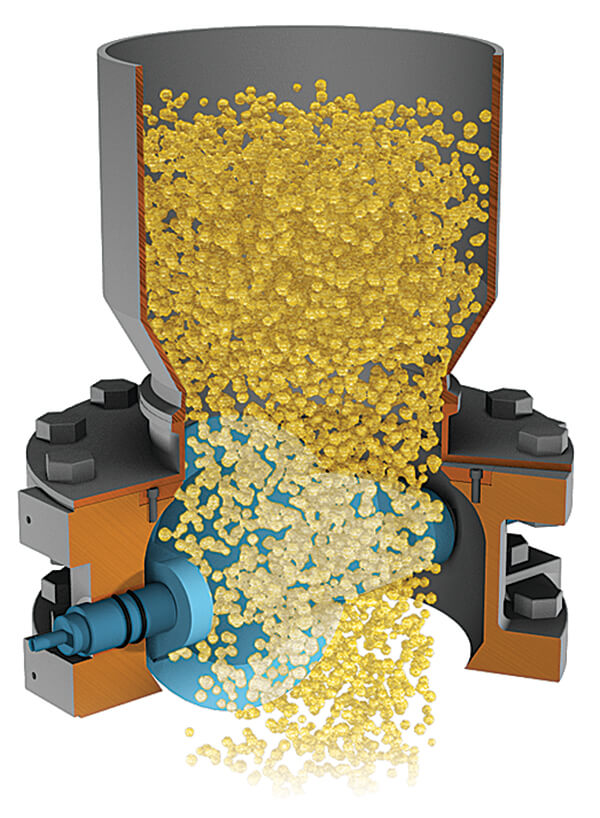
Roto-Disc® totally open:
Material falls unobstructed through the inlet opening. Nothing in the flow stream causes product bridging, so you get the full flow capacity of the valve. Notice that the sealing surfaces are protected from direct contact with material.
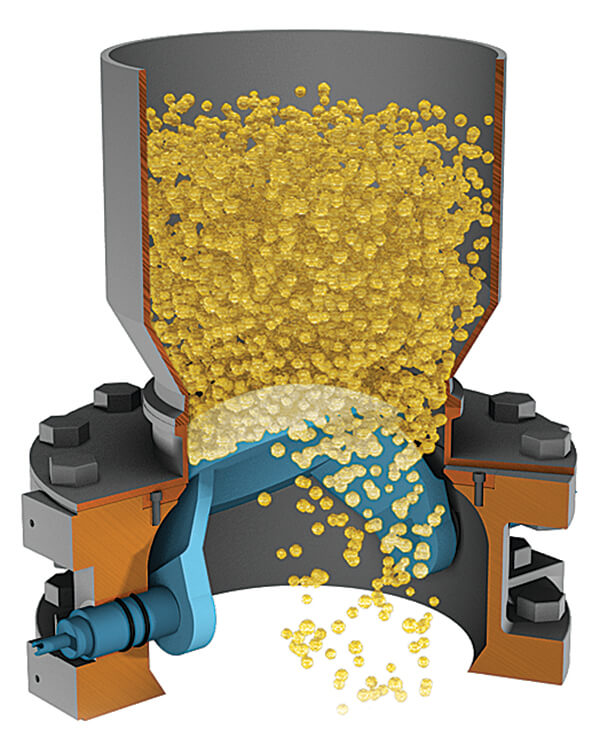
Roto-Disc® closing:
As the valve begins to rotate closed, the dome wipes against the seat, cutting off the flow of product and pushing material above or below the valve instead of wedging it between the dome and seat. The design naturally resists abrasive wear, and there are no pinch points or areas where material can hang up.
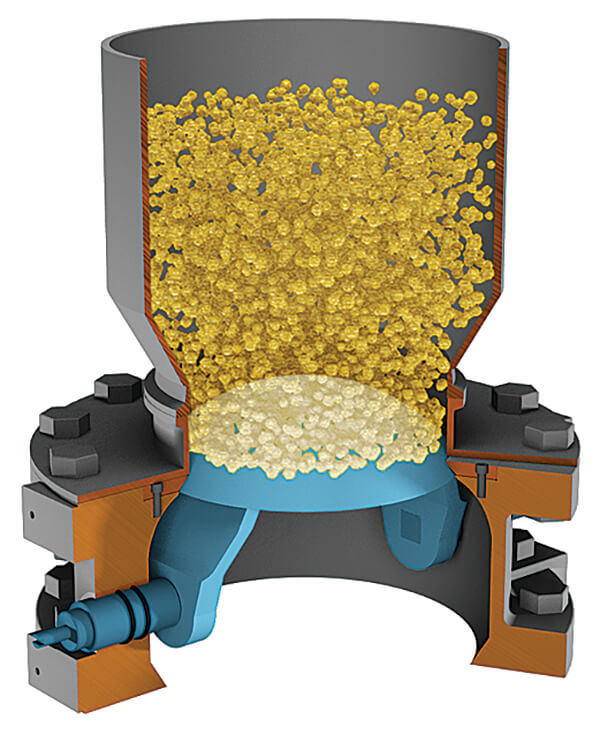
Roto-Disc® fully closed:
Closure is clean, and the valve is fully seated. The dome and seat form a positive seal, eliminating leakage across the seat. Double O-rings prevent leakage through the stems.
Materials of Construction
Body & Dome:
Stainless Steel (304, 316, Duplex), Hastelloy-C, Inconel, Monel, Carbon Steel (4140, WCB, A36), Ductile Iron, Other alloys upon request
Soft Seats:
Reinforced PTFE (glass fiber, 316SS fiber, carbon fiber), PEEK, Ertalyte, UHMW, Other engineered plastics
Metal Seats:
Stainless Steel (304, 316, Duplex), AR400 Abrasion Resistant Steel, Hastelloy-C, Inconel, Monel, Other alloys upon request
Coatings & Hardfacings:
Electroless Nickel, Stellite, Hard Chrome, Thin-Dense Chrome, Tungsten Carbide, Teflon®/PFA, Others
Pressures Range*:
Full vacuum to 150psig below valve. Full vacuum to one bar above valve
Temperature Range*:
-40°F – 1200°F (-40°C – 650°C).
*Pressure and temperature limits of an individual valve depend on a variety of application conditions and materials of construction of the valve.
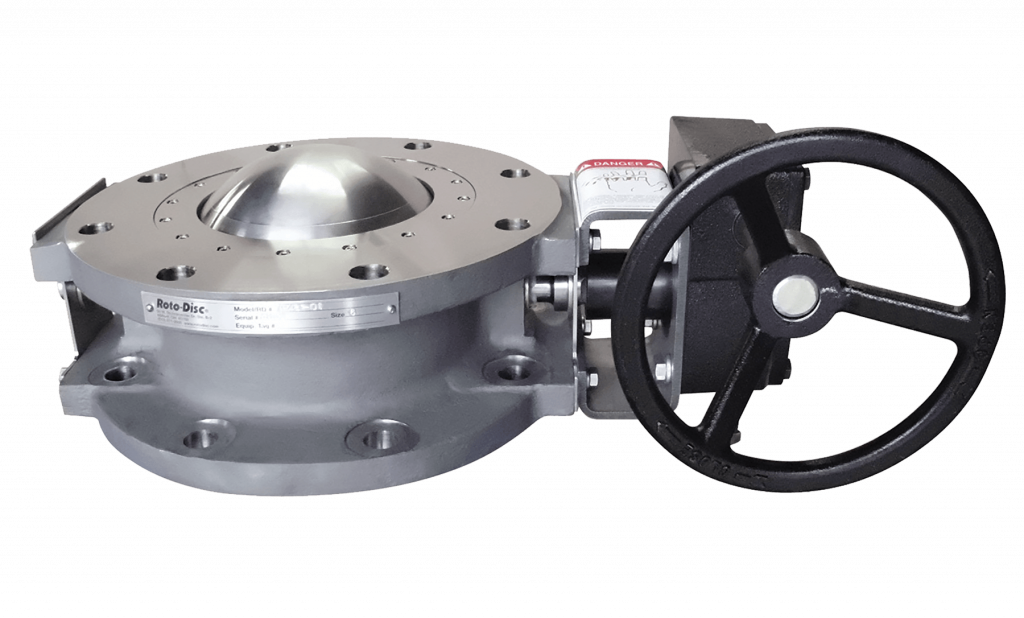
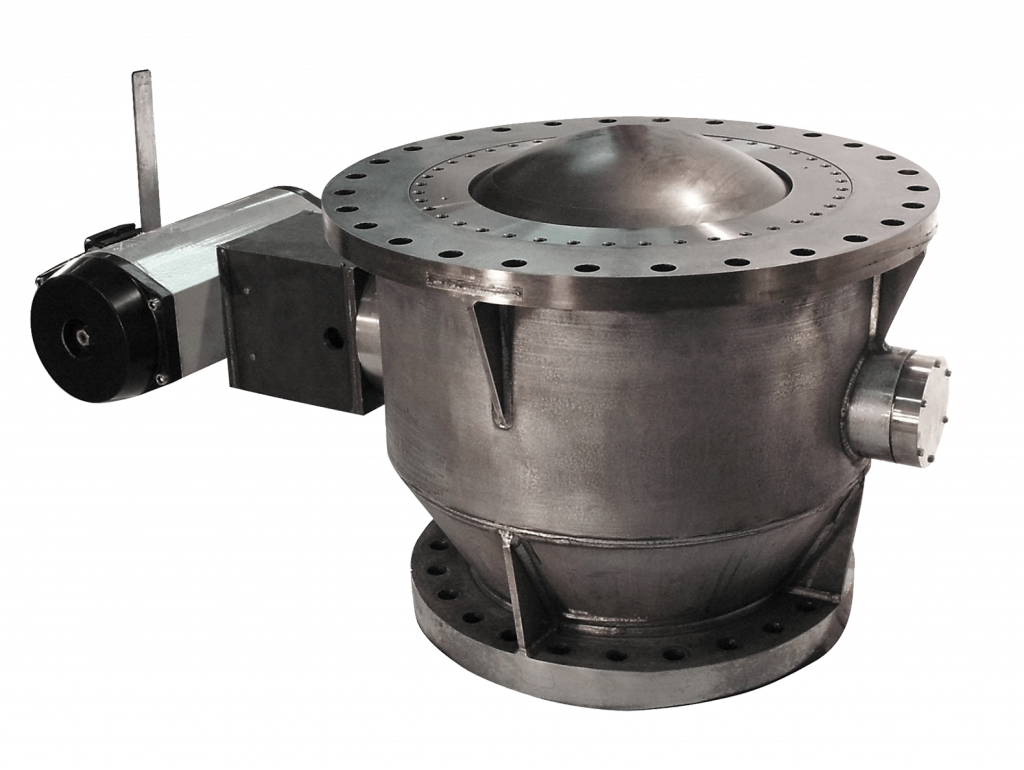
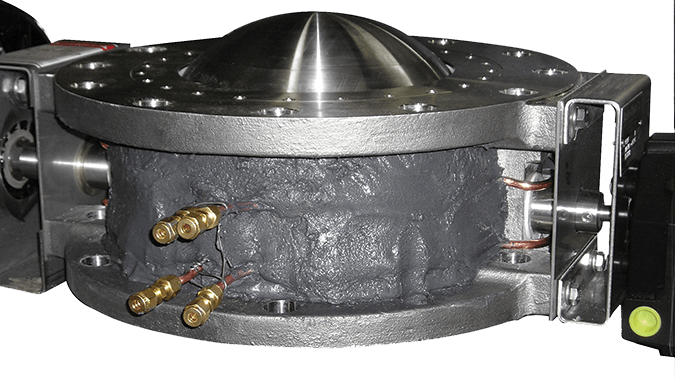
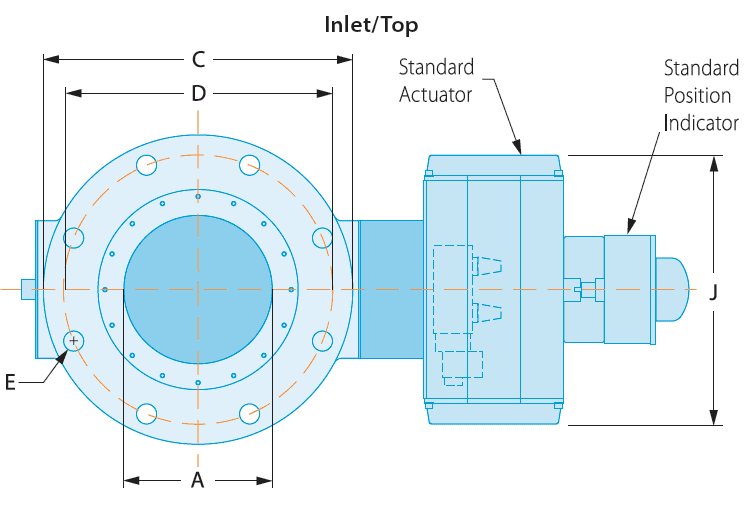
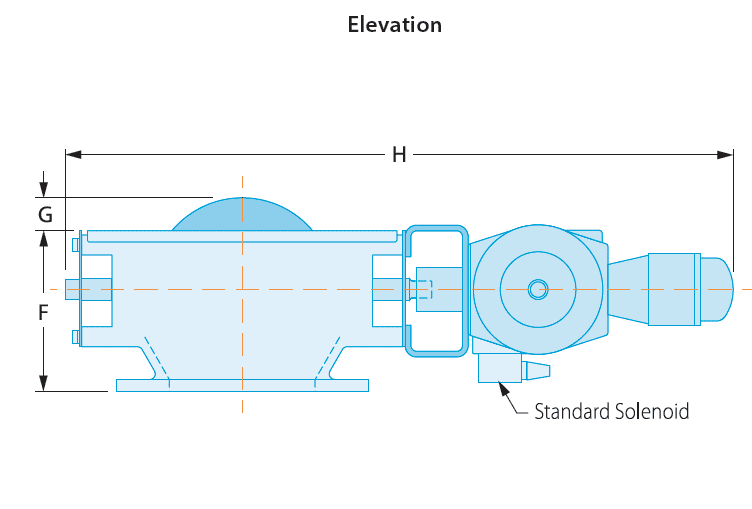
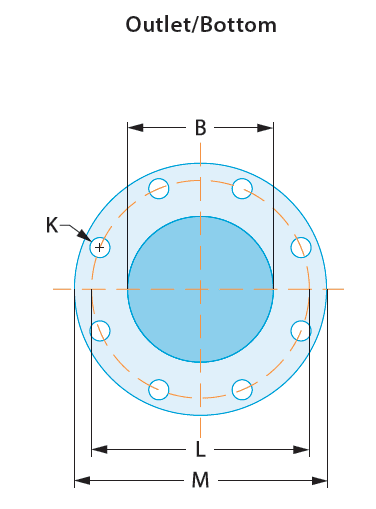
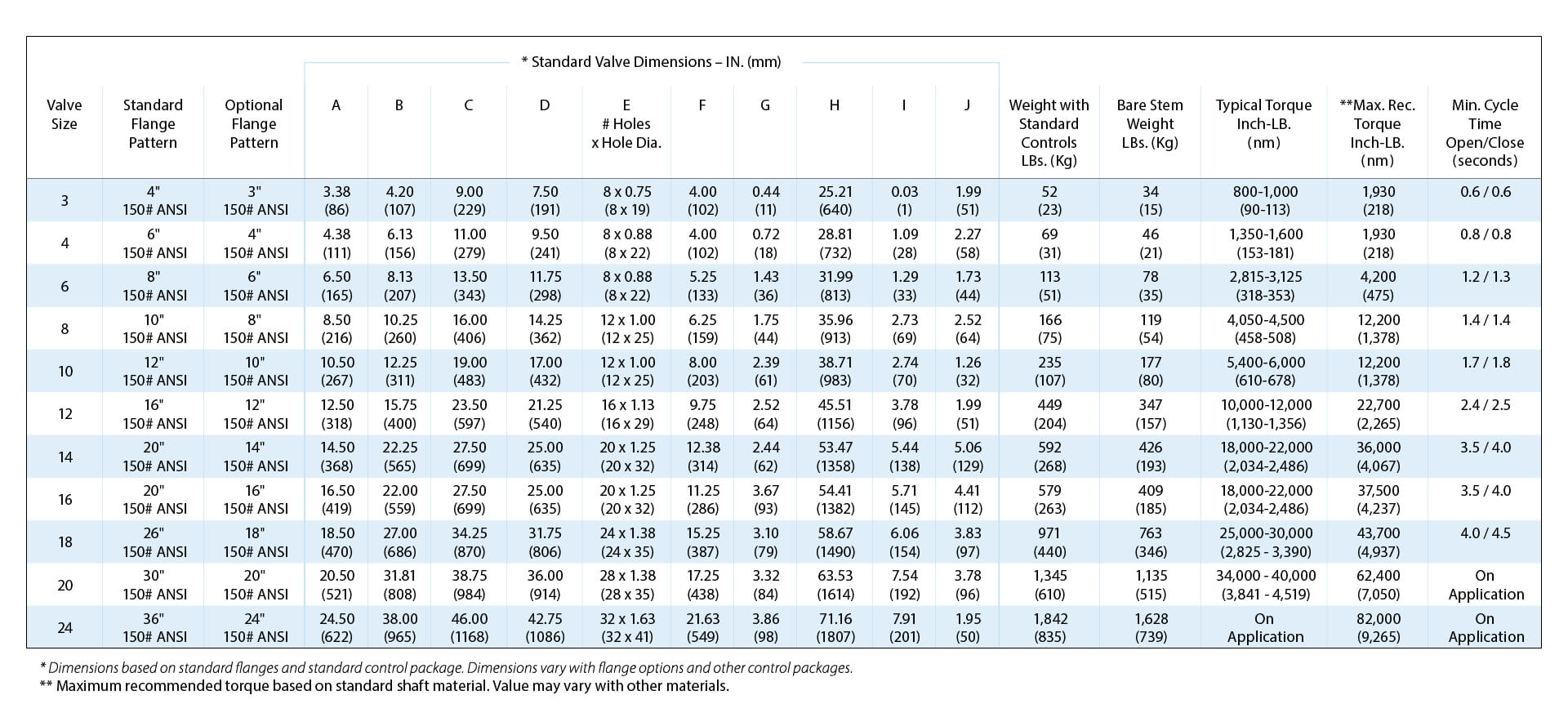
Roto-Disc® Valve with Standard Controls & Standard Flange Arrangement
Frequently Asked Questions
A spherical valve closes with a rotating dome rather than a gate, a blade, or a ball. As the valve rotates closed, the dome wipes against the seat, cutting off the flow and pushing material above or below the valve instead of wedging it between the dome and the seat. Fully open, nothing sits in the flow stream, so the valve passes its full port. Since 1984, Roto-Disc has built these valves to order in Erlanger, Kentucky, specified to the material and the line rather than pulled from a catalog.
Ball valves were developed for liquids and gases. A ball valve carries a dead space between the casting and the ball that fills and packs with product, which causes abrasive wear on the seals and the ball and can carry material from one batch into the next. A spherical valve has no such cavity. The dome wipes against the seat on every cycle, and the sealing surfaces are protected from direct contact with the material moving through the valve.
A diverter valve directs dry bulk or slurry material from one inlet to two or more outlets, so it decides where material goes. A shutoff valve decides whether it goes at all. Engineers often start a search for a diverter when the line actually needs a positive closure between two zones, or a clean cutoff at a mixer or hopper discharge. Roto-Disc builds both, and the Roto-Blade clean flow diverter handles routing. If the requirement is a full-port closure that seals cleanly on sticky, gummy, or abrasive material, the spherical valve on this page is the one to specify.
In many lines, yes. A rotary airlock carries a gap between the blade ends and the housing that allows leakage, and the constant scraping of material between the blade and the housing wears even hardened surfaces. The Roto-Disc airlock and double-dump assembly works differently. It uses two sequential valves and an intermediate accumulator chamber, and the upper valve seals before the lower one opens, so the pressure zones stay isolated and no rotating element sits in the material path.
Bodies and domes are machined from Stainless Steel (304, 316, Duplex), Hastelloy-C, Inconel, Monel, and carbon steel, with other alloys available on request. Soft seats are available in reinforced PTFE, PEEK, Ertalyte, and UHMW, and metal seats in stainless, AR400 abrasion resistant steel, and the same high alloys. Coatings and hardfacings include electroless nickel, Stellite, hard chrome, and tungsten carbide. The combination is chosen for the material the valve has to handle, not offered as a standard package.
The standard range is full vacuum to 150psig below valve, and full vacuum to one bar above it. The pressure and temperature limits of an individual valve depend on its configuration, so confirm the rating for the specific size, seat, and body material combination before specifying.